
-
Maximum 12 pax
-
March to May and Se4ptember to October
Embark on a 13-day photography journey through Bhutan, capturing its awe-inspiring landscapes, rich heritage, and vibrant traditions. This tour is designed for photography enthusiasts eager to explore Bhutan’s unique beauty, from its dramatic mountain scenery to its deeply rooted culture.
Arrival at Paro International Airport: Arrive in the Himalayas and meet your guide from BhutanBird Travel.
Warm Welcome: Receive a traditional Bhutanese greeting and a brief introduction to Bhutan’s culture and itinerary.
Scenic Drive to Thimphu: Enjoy a 50-kilometer drive with scenic views of Bhutan’s landscapes and architecture.
Introduction to Thimphu: Discover Thimphu, the world’s only capital without traffic lights, at 2,250 meters with a mild climate.
Hotel Check-in: Settle into your hotel and acclimatize to the altitude.
Exploration and Photography: Take a walk around Thimphu to photograph the city’s unique mix of life and architecture. Welcome Dinner: Enjoy a traditional Bhutanese dinner and connect with fellow travelers.
Early Start: After breakfast, we depart Thimphu.
Scenic Drive: The 5-6 hour drive to Trongsa offers beautiful views and stops for photography, including Dochula Pass for panoramic Himalayan views.
Visit Chendebji Chorten: We’ll visit this Buddhist stupa, inspired by Kathmandu's Swayambhunath.
Arrival in Trongsa: Check into your hotel and explore the Trongsa Dzong, the largest in Bhutan, if time permits.
Rest and Dinner: After a day of travel and photography, relax with dinner and a photo review with your tour leader.
Morning Start: After breakfast, we begin our 6-7 hour journey to Mongar, covering 198 kilometers of stunning mountainous terrain.
Scenic Drive: The route offers breathtaking views, passing through dense forests and high mountain passes, perfect for landscape photography. The road features sharp bends and expansive vistas.
Thrumshing La Pass: A highlight of the day is crossing Thrumshing La Pass at 3,780 meters, often shrouded in mist, providing a magical photography backdrop.
Lunch Stop: We’ll stop for lunch at a local restaurant, where you can sample regional dishes and capture glimpses of rural life.
Arrival in Mongar: Check into your hotel, marking the start of eastern Bhutan, known for its unique traditions and beauty.
Exploring Mongar: If time allows, take a stroll around Mongar town to experience its authentic, less touristy charm.
Rest and Refresh: After the journey, relax at your hotel, enjoy dinner, and review your photos, noting any adjustments for future shoots.
Start the Day in Mongar: Begin your day with a delicious breakfast at your hotel, savoring traditional Bhutanese flavors to energize you for the journey ahead.
Heading to Takila: After breakfast, we embark on a scenic drive to Takila. The relatively short distance gives us plenty of chances to pause and capture the stunning landscapes along the way.
Scenic Journey and Photo Opportunities: The route to Takila takes us through picturesque agricultural lands and charming Bhutanese farmhouses, providing the perfect backdrop for spontaneous photo stops and wildlife sightings.
Visit to Takila Guru Statue: Takila, with its peaceful ambiance, offers breathtaking views of the surrounding countryside. Here, you’ll have the opportunity to connect with local villagers and capture the essence of Bhutanese culture through your lens.
Lunch with a Local Touch: Enjoy a traditional Bhutanese lunch, possibly prepared by a local family. It’s more than just a meal—an experience that allows you to discover the unique ingredients and cooking traditions of Bhutan.
Exploring Khoma’s Traditional Weaving: In the afternoon, immerse yourself in the village of Khoma, known for its exquisite Kira weaving. Explore local homes, photograph the beautiful architecture, and enjoy the slow-paced life that offers a stark contrast to the bustling tourist spots.
Nature Walks and Photography: For those interested, take a peaceful nature walk around the village. The lush surroundings are perfect for capturing both macro and landscape shots.
River Sunset Photography: As the day winds down, capture the mesmerizing sunset over the hills, providing a magical and serene end to your photography session.
Dinner and Reflection: Return to your accommodation for a well-deserved dinner. Share your experiences with fellow travelers and reflect on the day’s captures.
Review and Unwind: After dinner, take time to review your photos, back them up, and get ready for another exciting day of adventure and photography.
Breakfast and Early Departure: Start your day early with a hearty breakfast at your accommodation in or near Galing. This early start maximizes the daylight for your exploration and photography in Trashiyangtse.
Journey to Trashiyangtse: Embark on a scenic drive to Trashiyangtse, with plenty of photo opportunities along the way. Capture the changing landscapes and glimpses of rural Bhutanese life as you make your way to your destination.
Visit Trashiyangtse Dzong: One of the first highlights of the day is Trashiyangtse Dzong. This fortress serves as both a monastic and administrative center, providing an excellent opportunity for architectural photography and capturing the vibrant activities of the monks.
Chorten Kora Visit: Explore the iconic Chorten Kora, a stunning stupa in eastern Bhutan, modeled after the famous Boudhanath stupa in Kathmandu. The site is perfect for both architectural shots and candid people photography, especially as locals walk around in devotion.
Artisan Workshops: Discover the artistry of Trashiyangtse, known for its traditional Bhutanese crafts. Visit local workshops where artisans create beautiful wooden bowls, paper products, and other hand-crafted items. It’s a great chance to photograph the creative process and pick up one-of-a-kind souvenirs.
Lunch with Local Flavor: Stop for lunch at a local eatery or enjoy a picnic if the weather permits. Experience the local cuisine while taking a break before continuing your exploration.
Nature Walk and Wildlife Photography: For those interested in nature, take a guided walk through Trashiyangtse. The area is rich in biodiversity, offering excellent opportunities for wildlife and bird photography.
Cultural Exchange and Portrait Photography: Engage with the warm and welcoming locals. Capture their portraits and immerse yourself in the culture, enriching both your travel experience and your photographic portfolio with authentic shots.
Return and Relax: After a full day of exploration and photography, head back to your accommodation to unwind and refresh.
Group Dinner and Photo Review: Enjoy a shared meal with your group, exchanging experiences from the day. This is also the perfect time to review your photos with fellow travelers and get feedback on how to improve your skills.
Prepare for Tomorrow’s Adventures: Recharge your batteries, both physically and for your equipment, and get ready for another day of exploration.
Breakfast and Early Start: After a hearty breakfast in Trashigang, depart early to make the most of the day. The drive to Bumthang is long, taking about 6 to 7 hours, but offers plenty of scenic views along the way.
Scenic Drive to Bumthang: Travel through high mountain passes, including Thrumshing La, one of Bhutan’s highest drivable passes. Enjoy panoramic views and photo opportunities of valleys and snow-capped peaks.
Lunch En Route: Stop for lunch at a local restaurant or picnic spot, capturing candid shots of rural life and landscapes.
Arrival in Bumthang: Once in Bumthang, check into your hotel. Known as Bhutan’s spiritual heartland, Bumthang is home to ancient temples and monasteries.
Evening Exploration: If time allows, take a stroll around Bumthang’s town center, with its traditional architecture and handicraft shops, perfect for more relaxed photography.
Dinner in Bumthang: Enjoy a traditional dinner with local dishes like putka and khuli.
Next Day Briefing: Over dinner, discuss the following day’s itinerary to prepare for more cultural and historical exploration in Bumthang.
Rest and Recharge: After dinner, back up your photos, recharge your gear, and rest for another exciting day ahead.
Early Breakfast: Start your day with breakfast at your hotel. Bumthang mornings are peaceful, offering soft light perfect for photography.
Jakar Dzong: Begin your sightseeing with a visit to Jakar Dzong, also known as the "castle of the white bird." Perched on a ridge above Jakar town, it offers stunning panoramic views of Chokhor Valley, ideal for capturing both architecture and landscape shots.
Kurje Lhakhang: Visit Kurje Lhakhang, one of Bhutan's holiest monasteries, comprising three temples surrounded by 108 chorten walls. This sacred site, linked to Guru Rinpoche’s subjugation of a local demon, provides rich opportunities for spiritual and architectural photography.
Tamshing Lhakhang: Continue to Tamshing Lhakhang, founded by Terton Pema Lingpa in the 16th century. The monastery is famous for its ancient religious paintings and thangkas, making it a great spot for capturing Bhutanese religious art.
Lunch at a Local Restaurant: Enjoy a traditional lunch with local specialties like buckwheat noodles and pancakes.
Bumthang Valley Exploration: In the afternoon, explore Bumthang’s scenic beauty. Visit the Red Panda Brewery and Cheese Factory to photograph the production process and sample local cheese and beer.
Burning Lake (Mebar Tsho): Visit the sacred Burning Lake, where Terton Pema Lingpa uncovered Guru Rinpoche’s hidden treasures. The serene lake offers great photographic opportunities, especially with its reflections and surrounding nature.
Evening Free Time: Return to your hotel in Bumthang. Take some time to review your photos, relax, and recharge.
Dinner and Cultural Show: Enjoy dinner followed by a cultural show, featuring traditional Bhutanese music and dance—another chance to capture the essence of Bhutan's culture.
Early Breakfast: Start your day with an early breakfast at your hotel in Bumthang to make the most of the scenic drive ahead.
Departure for Punakha: Begin your journey to Punakha early in the morning. The 6-7 hour drive covers approximately 215 kilometers, offering breathtaking views as you pass through diverse landscapes showcasing Bhutan's natural beauty.
Pele La Pass: As you travel, cross the Pele La Pass, which marks the border between central and western Bhutan. At 3,300 meters, it provides panoramic views of the surrounding mountains, including Mount Jomolhari. This spot is ideal for high-altitude landscape photography.
Photography Stops: Along the way, make multiple stops to photograph the shifting terrain—from alpine meadows to lush valleys—and capture rural life and stunning natural beauty.
Lunch Break: Stop at a local restaurant or roadside eatery for lunch. It's a great opportunity to relax and take candid photos of local life.
Visit Chimi Lhakhang: As you near Punakha, visit Chimi Lhakhang, the Fertility Temple. Located on a hilltop, it’s famous for its playful yet meaningful fertility blessings. The walk to the temple through the fields offers excellent photo opportunities of the rural landscape.
Arrival in Punakha: Upon arrival, check in to your hotel and rest after the long journey.
Evening Exploration: If time allows, take a relaxed walk around Punakha, especially near Punakha Dzong, where the views of the Mo Chhu and Pho Chhu rivers provide stunning sunset photography.
Dinner at the Hotel: Enjoy dinner at your hotel, reflecting on the day’s journey and preparing for the next day’s adventure.
Review and Prepare: Spend some time reviewing your photos from the day and getting your camera gear ready for tomorrow's exploration of Punakha’s iconic sights.
Breakfast in Punakha: Begin your day with an early breakfast at your hotel in Punakha, preparing for a full day of activities and travel.
Punakha Dzong Visit: Start your morning with a visit to the majestic Punakha Dzong, situated at the confluence of the Pho Chhu and Mo Chhu rivers. This architectural masterpiece offers a perfect setting for photography, especially in the soft morning light.
Suspension Bridge: After exploring the dzong, take a short walk to the nearby suspension bridge, one of Bhutan's longest. It provides stunning panoramic views of the river and valley, making it an excellent spot for both landscape and dynamic photography.
Drive to Thimphu: Depart from Punakha and embark on a scenic 2-3 hour drive to Thimphu. Along the way, you’ll have opportunities to make stops and capture the changing landscapes.
Lunch En Route: Stop at a local restaurant for lunch, where you can also take candid photos of daily Bhutanese life.
Dochula Pass: On the way back to Thimphu, make a stop at Dochula Pass, weather permitting. The pass offers sweeping 360-degree views of the Himalayan range and features 108 chortens and the Druk Wangyal Lhakhang temple, perfect for capturing breathtaking shots.
Arrival in Thimphu: Arrive in Thimphu by the afternoon, check into your hotel, and take some time to relax or explore the city at your own pace.
Thimphu Evening Walk: In the evening, enjoy a leisurely walk through Thimphu’s bustling market area, a great opportunity for street photography to capture the vibrant energy of urban Bhutanese life.
Dinner in Thimphu: Indulge in a delicious dinner at one of Thimphu's restaurants, offering a mix of local and international dishes. It's also a perfect chance to try food photography.
Review and Discuss: End your day by reviewing your photographs with fellow travelers or your guide, sharing insights and discussing potential techniques for the upcoming days.
Breakfast at Hotel: Begin your day with a hearty breakfast at your hotel in Thimphu, gearing up for a full day of exploration and photography.
National Memorial Chorten: Start with a visit to the National Memorial Chorten, a key landmark in Thimphu. This stupa, built in memory of the third king of Bhutan, is a hub for daily religious activities. Capture the intricate murals and sculptures adorning the structure.
Buddha Dordenma Statue: Next, visit the Buddha Dordenma, a massive Shakyamuni Buddha statue located in the mountains. The site offers sweeping panoramic views of Thimphu Valley, making it ideal for both architectural and landscape photography.
Folk Heritage Museum: Explore the Folk Heritage Museum, where you can immerse yourself in Bhutan’s traditional lifestyle, agricultural practices, and historical artifacts. The rustic architecture and recreated household settings offer a unique photographic experience.
Lunch at a Local Café: Take a break for lunch at one of Thimphu's cozy local cafés, enjoying some authentic Bhutanese urban cuisine.
Textile Museum: After lunch, visit the Textile Museum to discover Bhutan's rich weaving heritage. The museum displays an impressive collection of textiles that are culturally and historically significant.
Craft Bazaar: Walk through the Craft Bazaar, where local artisans showcase and sell their creations. This is a vibrant spot for photography, capturing the lively atmosphere and perhaps picking up some handmade souvenirs.
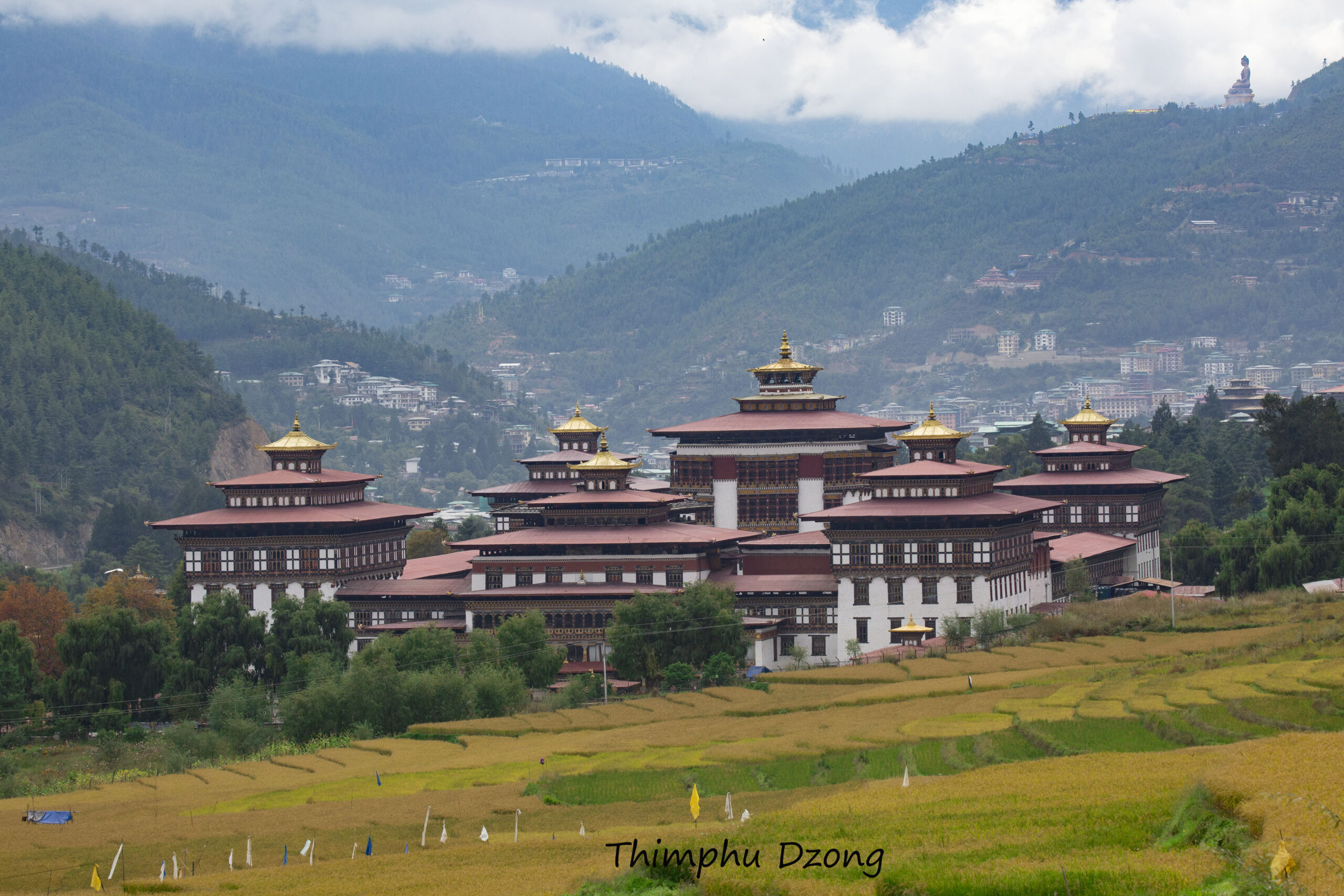
Tashichho Dzong: In the evening, visit Tashichho Dzong, a fortress housing the throne room and the offices of the King of Bhutan, as well as the central monk body. Its majestic architecture and political-religious significance make it a must-photograph location.
Dinner in Thimphu: End your day with a delicious dinner at a local restaurant, indulging in the culinary delights of Bhutan.
Night Photography: If you have the energy, try some night photography in Thimphu, capturing the city lights or the starry sky over the valley.
Breakfast in Thimphu: Start your day with a hearty breakfast at your hotel in Thimphu, fueling up for the day’s journey and exploration.
Departure from Thimphu: After breakfast, depart for Paro. The drive takes about 1 hour and covers approximately 50 kilometers, offering scenic views and, depending on the season, beautiful roadside flora.
Visit to Simtokha Dzong: On the way to Paro, stop at Simtokha Dzong, one of Bhutan's oldest fortresses, dating back to 1629. Now a school for language and cultural studies, the dzong is a perfect example of traditional architecture and provides a quiet spot for photography.
Arrival in Paro: Upon arrival in Paro, begin your sightseeing with a visit to Rinpung Dzong (Paro Dzong). This impressive fortress is a prime example of Bhutanese architecture and serves as an important administrative and religious center.
Ta Dzong - National Museum: Next, head to Ta Dzong, originally built as a watchtower and now home to the National Museum. The museum’s circular design offers unique photographic perspectives, and its exhibits provide a deeper understanding of Bhutanese culture and history.
Lunch in Paro: Take a break for lunch at a local restaurant in Paro, where you can savor traditional Bhutanese dishes.
Kyichu Lhakhang: After lunch, visit Kyichu Lhakhang, one of Bhutan's oldest and most sacred temples, believed to be one of the 108 temples built by Tibetan King Songtsen Gampo in the 7th century to subdue a demoness.
Paro Town Exploration: In the afternoon, explore the charming town of Paro. The main street is lined with colorful shops, traditional houses, and cafes, offering excellent opportunities for street photography and interaction with locals.
Dinner in Paro: Return to your hotel for dinner, and take some time to review the photos you've taken in Thimphu and Paro.
Preparation for Tiger’s Nest Hike: As tomorrow involves a hike to the Tiger’s Nest Monastery, ensure your gear is ready and rest well. Review your equipment for an early start the following day.
Early Morning Breakfast: Start with an early breakfast at your hotel in Paro to fuel up for the hike. An early start ensures you avoid crowds and allows you to capture the stunning golden light of sunrise, perfect for photography.
Drive to Trailhead: A short drive from Paro town brings you to the base of Tiger’s Nest, where you can prepare your camera gear and hydration packs.
Hike to Tiger’s Nest: The challenging hike to Tiger’s Nest Monastery is rewarding, winding through pine forests adorned with Spanish moss and colorful prayer flags. Take breaks along the way to rest and capture the spectacular views of the valley below.
Photography at Viewpoints: Several viewpoints along the trail offer excellent photo opportunities of the monastery perched on the cliffside. As you approach, the monastery’s impressive architecture and dramatic setting come into clearer focus.
Visit Tiger’s Nest Monastery: Upon reaching the monastery, explore its sacred shrines and temples. While photography inside the main temples is restricted, the exteriors and views from the monastery provide abundant photographic material. The serene atmosphere and architectural beauty make it a memorable site.
Lunch at the Cafeteria: On your return hike, stop at the cafeteria halfway down the trail to rest and enjoy the views of Tiger’s Nest from a different perspective.
Return Hike: Descend back to the trailhead. The return hike is usually faster but can be tough on the knees, so take your time.
Drive Back to Hotel: Once at the base, drive back to your hotel in Paro to relax and rejuvenate after the strenuous hike.
Dinner and Relaxation: Enjoy a well-deserved dinner at your hotel and share your experiences and photographs with fellow travelers.
Photo Review Session: Spend time reviewing and editing the day’s photos. The images captured at Tiger’s Nest will likely be some of the most memorable from your Bhutan trip.
Breakfast at Hotel: Enjoy your final breakfast in Bhutan, reflecting on your journey and experiences.
Packing and Check-out: Finalize your packing, ensuring you have all your belongings, especially photography gear and souvenirs. Complete the check-out process, and your guide will advise on the best time to leave for the airport.
Farewell at Paro International Airport: Your guide will escort you to the airport, assist with final arrangements, and bid you farewell.
Flight Departure: Proceed through security and, while waiting for your flight, review your photos or jot down memories in your travel journal.
Reflection on the Journey: Use the flight to reflect on the landscapes, people, and culture you captured in Bhutan, and think about how to share your experience with others.
Planning Next Steps: If Bhutan inspired you, start planning your next photography adventure, whether it’s exploring more of Bhutan or another culturally rich destination.