
Brief about Bhutan
Bhutan is a landlocked country in Southern Asia, nestled between India and China. Geographically, it spans an area of 38,394 square kilometers and features diverse altitudes ranging from 180 meters in the south to over 7,550 meters in the north. The nation operates in a time zone that is 6 hours ahead of GMT and 30 minutes ahead of Indian Standard Time (IST).
With a population of approximately 700,000, Bhutan is governed as a democratic constitutional monarchy. The predominant religion is Mahayana Buddhism, specifically the Drukpa sect of Kargyupa. The official language is Dzongkha, though Lhotshamkha, Sharchopkha, and English are also widely spoken. The national currency, Ngultrum (BTN), is pegged at par with the Indian Rupee.
The country is known for its rich biodiversity, with 72.5% of the land covered in forests and 7.8% cultivated. Bhutan's electricity supply operates at 220 volts.
National Symbols of Bhutan
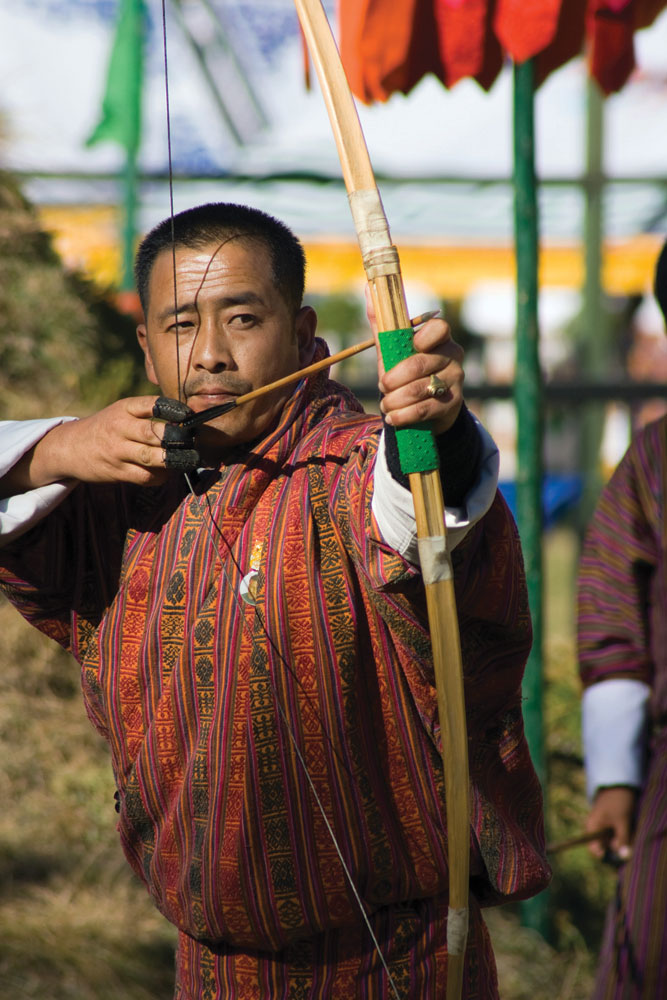
National Sport: Archery
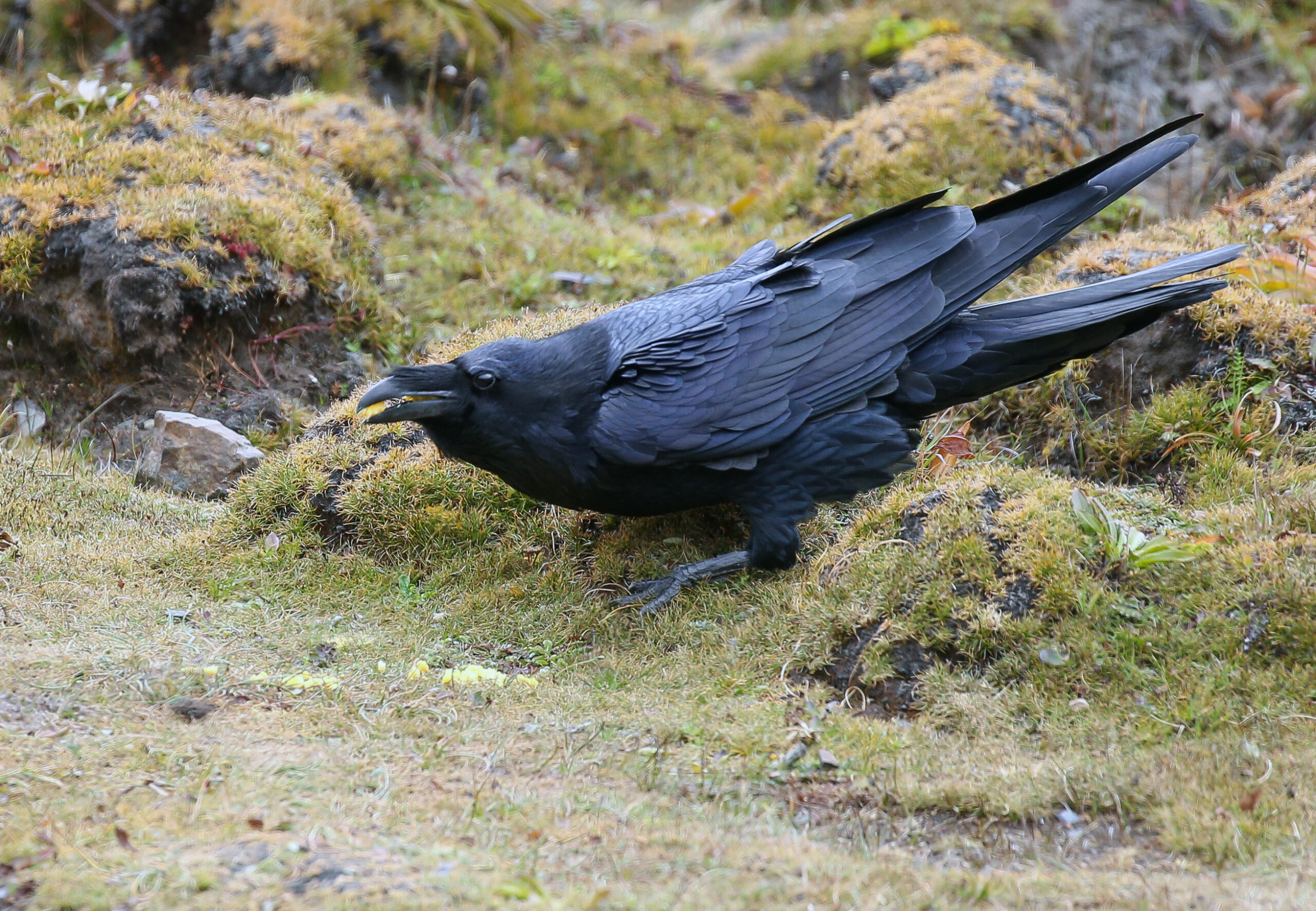
National Bird: Raven (Corvus corax tibetanus)

National Flower: Blue Poppy (Meconopsis grandis)
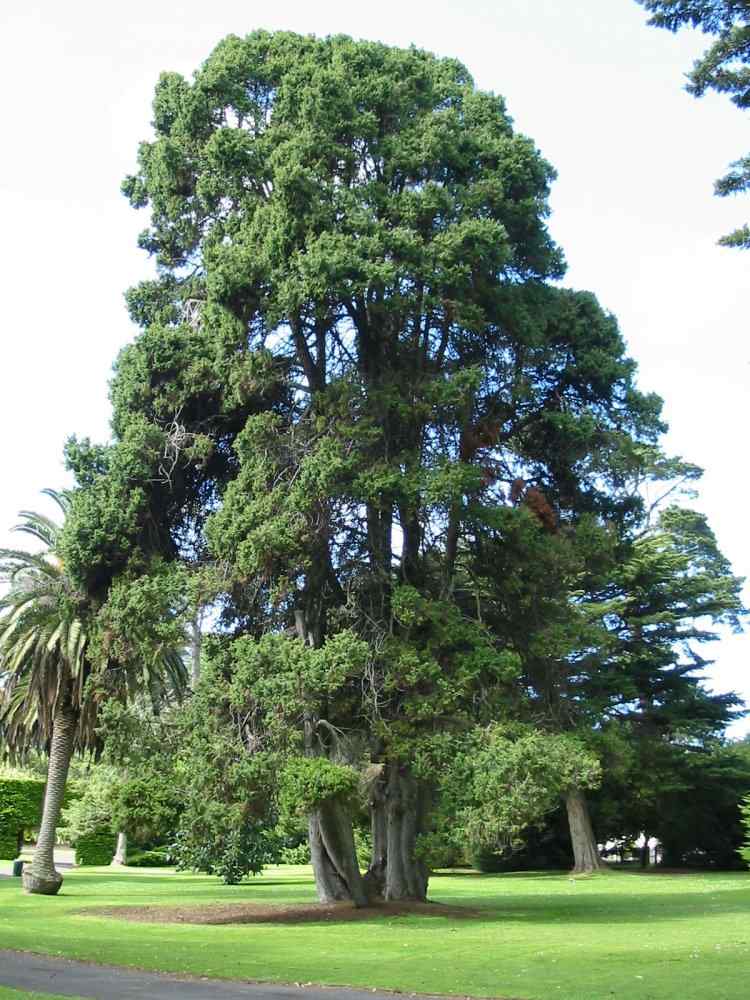
National Tree: Cypress (Cupressus corneyana)

National Animal: Takin (Budorcas taxicolor)
Geographical & Environmental Zones
Alpine Zone (3,500m – 7,550m): High Himalayan region in the north.
Temperate Zone (1,100m – 3,500m): Central hills and valleys.
Subtropical Zone (180m – 1,100m): Southern foothills and plains.
How to Get to Bhutan
By Air
Bhutan’s sole international airport is located in Paro, western Bhutan, sitting at an altitude of 7,300 feet (2,200 meters) above sea level. The airport is served by two national carriers: Druk Air (also known as Royal Bhutan Airlines) and Bhutan Airlines, which operate international flights to destinations such as Bangkok, Delhi, Kolkata, Bodhgaya, Kathmandu, Guwahati, Dhaka, and Singapore. The flight to Paro offers passengers breathtaking views of some of the world’s tallest mountains, including Mount Everest.
Both Druk Air and Bhutan Airlines allow 30 kilograms of checked luggage per passenger. Hand luggage is restricted to dimensions of 45 x 35 x 20 cm and a 5-kilogram weight limit.
In addition to Paro, Bhutan has three domestic airports in Bumthang, Trashigang, and Gelephu, with Druk Air operating flights between them twice a week. Plans are also in progress to develop Gelephu Airport into another international gateway in the south.
You can book your flight to Bhutan directly on the airlines' websites, or if you need assistance, the team at Bhutanbird Travel is happy to help you with your flight reservations at no extra cost.
Overland Entry Points
Bhutan has three accessible land border crossings for international travelers: Phuntsholing, Gelephu, and Samdrup Jongkhar.
Phuntsholing: Located around 229 km (142 miles) from Bagdogra in India, it is the easiest entry point from Jaigaon. The drive to Thimphu (176 km) takes about six hours, offering scenic views.
Gelephu: Situated 250 km (155 miles) south of Thimphu, travelers pass through diverse landscapes, including subtropical forests. However, the Gelephu border is currently closed to international tourists.
Samdrup Jongkhar: Found on Bhutan’s eastern border with Assam, India, it’s 150 km (93 miles) from Guwahati and takes around four hours to reach.
Bhutanese Cuisine
Bhutanese cuisine is flavorful, hearty, and known for its love of chilies. The national dish, Ema Datshi, is a spicy combination of chilies and local cheese, enjoyed across the country. Other popular dishes include Shakam Datshi (dried beef with cheese), Phaksha Paa (pork cooked with radish or chilies), and Momo (Tibetan-style dumplings). Rice, particularly red rice, is a staple served with most meals.
For visitors, Bhutan offers a mix of culinary options. In addition to traditional Bhutanese food, many hotels and restaurants serve Chinese, Indian, Japanese, and select European dishes. With advance notice, most places can accommodate dietary preferences.
Bhutan also produces its own locally brewed alcoholic beverages, including Ara (a traditional rice or wheat liquor) and various local beers. While imported drinks are available in hotels, they are more expensive. Soft drinks and bottled water are widely accessible throughout the country.
Where to Stay in Bhutan
All accommodations we recommend are approved by the government and registered with the Department of Tourism. Across Bhutan, you’ll find hotels and lodges built in the traditional Bhutanese style, offering a truly authentic experience.
Rooms typically come with en-suite facilities, central heating or wood-burning stoves, and are equipped with daily linen service and hot meals. Some lodges even offer stone baths or other holistic treatments.
For those looking to camp, Bhutanbird Travel has a dedicated camping crew that provides three hot meals a day, hot showers, and comfortable walk-in tents with camp beds, ensuring a restful night under the stars.
Wherever and whenever you choose to stay, you'll experience the renowned warmth and hospitality of the Bhutanese people.
Weather
The ideal times to visit Bhutan are during Spring and Autumn, with temperatures ranging from 0°C to 27°C (32°F to 80°F). These seasons are considered the peak tourist period, offering comfortable weather. From November to February, winter can be cold, but the skies are clear, providing stunning views of the Himalayas—perfect for photography. Summer, while wet and humid, is the season when orchids bloom, adding vibrant colors to the lush landscape.
Best Time to Visit Bhutan
High Season: The months of March, April, May, September, October, and November are considered the high season in Bhutan. These months see the most visitors due to the milder weather and the occurrence of Bhutan’s most important festivals.
Spring (March, April, May): The weather is cloudier at higher altitudes, but it's a great time for wildlife viewing and the flowers are in full bloom. It’s an ideal season for birdwatching, photography, trekking, and exploring cultural and festival tours.
Autumn (September, October, November): With pleasant weather and breathtaking views from mountain passes, this is a perfect time for trekking, bird watching, photography, and enjoying cultural and festival tours.
Winter (December, January, February): While the nights can be very cold, the clear skies provide some of the most stunning views of the mountains. It’s an excellent time for photography, arts and crafts, festival tours, and low-level trekking.